Office of Health and Nutrition
SCDE OHN offer many programs financed by the USDA. From commodity foods to the afterschool snack program, our office is well equipped to assist SFAs with successful program operation. In this section, you can explore the many opportunities that our office provide and discover how you can take advantage of them. Come back often and check out the latest program or project that you can participate in.
After School Snack Program

Designed to meet the needs of at-risk students, the snack program is available to students up to age 18 who are participating in organized after school activities that meet certain criteria.
Breakfast in the Classroom (BIC)
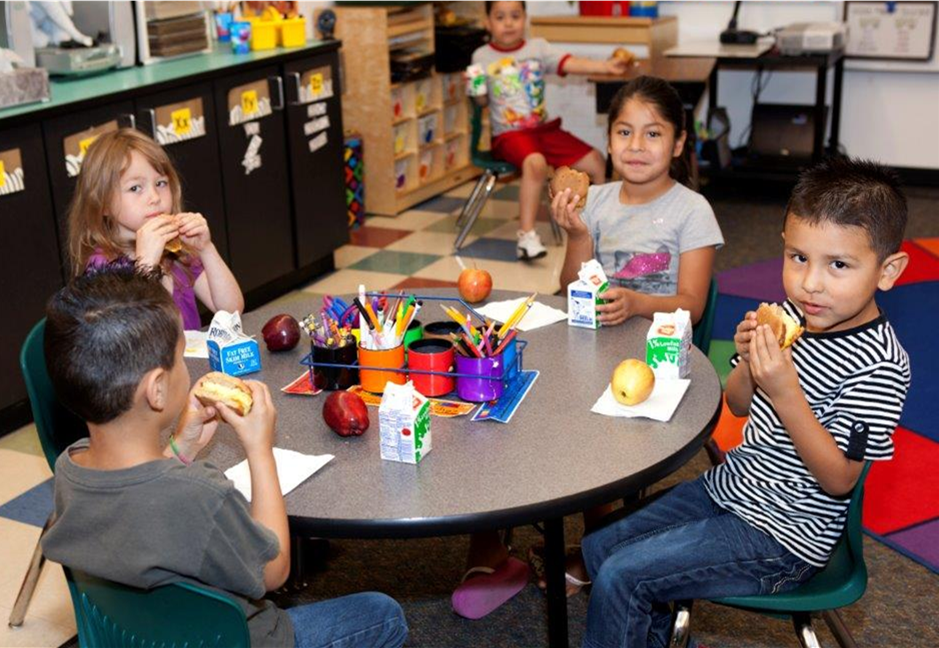
Breakfast in the classroom provides nutritious meals to students who do not have time or inclination to eat breakfast before school. Children can look forward to a good breakfast in the familiar surroundings of their classroom.
Community Eligibility Provision (CEP)

The Community Eligibility Provision (CEP) provides an opportunity for schools and local educational agencies (LEAs) in high poverty areas to provide free breakfast and lunch to all students without the burden of collecting and processing school meal applications for free and reduced price meals.
Commodity Foods Program

South Carolina Department of Education (SCDE) Food Distribution Team is responsible for managing the U.S. Department of Agriculture’s (USDA) Commodity Food Distribution Program to the school districts and other K-12 educational institutions in South Carolina which are referred to as Recipient Agencies (RAs).

Fresh Fruit and Vegetable Program

All children in participating elementary schools are provided with a variety of free fresh fruits and vegetables that they may not have an opportunity to eat otherwise. Partnerships and education provide support for this outreach.
Junior Chef Competition
The South Carolina Department of Education: Office of Health and Nutrition (OHN) in conjunction with the USDA Farm to School initiative sponsors an annual Junior Chef culinary competition. The competition ????is designed to encourage student engagement with National School Lunch Program (NSLP) nutrition staff, chef instructors, and other culinary professionals to learn the process of planning, sourcing, and preparing school meals.
Local Wellness Policy

A local wellness policy is a written document that guides local education agencies (LEA) or school district’s efforts to establish a school environment that promotes students’ health, well-being, and ability to learn.

Procurement

In accordance with USDA regulations, every entity participating in a federal child nutrition program is required to abide by local, state, and federal procurement guidelines. Procurement is the method of how an entity like a School Food Service Authority purchases products, goods, and/or services.
Reducing Food Waste
Wasted food is wasted resources. Wasted food is wasted nutrition. The most prominent single source of waste for schools is food. Studies show nearly 25 percent or more of a school’s total waste stream is food. Schools can make significant reductions in their waste stream by following these steps.
Full details of the Reducing Food Waste program

Seamless Summer Option (SSO)

The Seamless Summer Option (SSO) combines features of the National School Lunch Program (NSLP), the School Breakfast Program (SBP), and the Summer Food Service Program (SFSP). The program is designed to encourage more school food authorities (SFAs) to provide meals during summer and other school vacation periods.
Smart Snacks
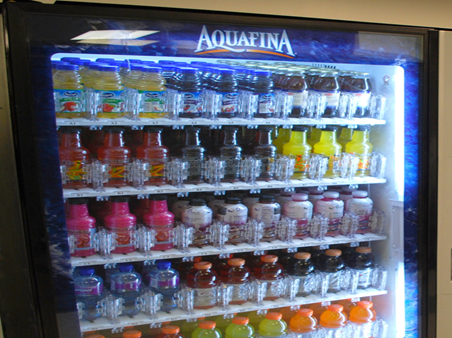
The Healthy, Hunger-Free Kids Act of 2010 requires USDA to establish nutrition standards for all foods sold in schools — beyond the federally supported meals programs
Special Milk Program

The Special Milk Program (SMP) was first authorized in 1954 and was included as part of the Child Nutrition Act in 1966.
Summer Food Service Programs

Summer is a time of rich agricultural abundance and sponsors across the state are benefiting from the season’s bounty by including local products and food-related activities in to their summer meals programs.